Fragrance in hot weather · · 7 min read
Sweet Perfumes That Aren't Cloying in Vietnam's Heat
Sweet perfumes that aren't cloying in Vietnam's heat and humidity: which notes to choose, how much to spray, how the answer changes between Saigon and a Hanoi winter, and scents that work at the office.
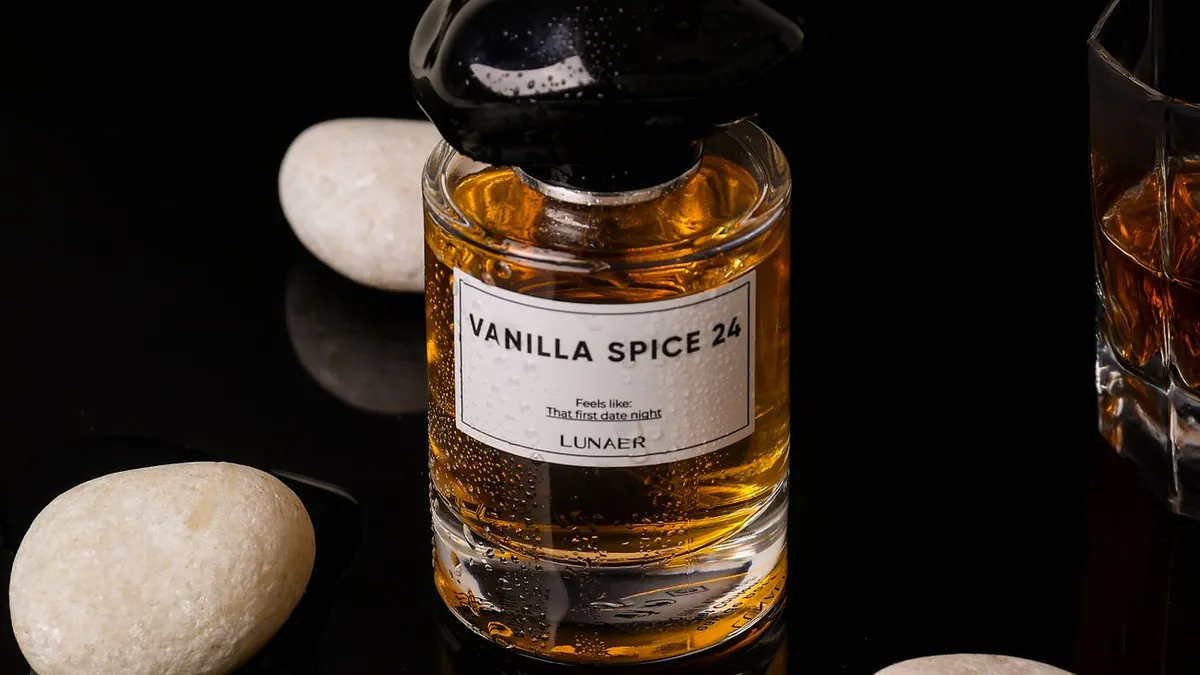
Plenty of people in Vietnam love sweet scents: vanilla, caramel, praline, the kind of smell that feels warm and inviting. But put them to work in Ho Chi Minh City at three in the afternoon, with the sun directly overhead, and many sweet fragrances turn heavy, stuffy and sometimes so cloying that you feel light-headed before anyone else does.
The problem is not that "sweet scents can't be worn in a hot country". It comes down to the type of sweetness, the amount you apply, and — more than most people expect — where in Vietnam you are and what month it is. The same bottle that feels suffocating on a District 1 afternoon can be the loveliest thing you own on a twelve-degree morning in Hanoi. We get this question a lot from people who want to try gourmand fragrances but worry they will be too strong for an air-conditioned office where the desks are only a metre apart. This article breaks down which kinds of sweetness survive the heat, how the answer shifts between the south, the north and the centre, and how to wear a sweet scent so it stays sweet without becoming suffocating.
Why sweet scents turn cloying so quickly in hot, humid weather
Heat makes fragrance molecules evaporate faster. A scent that seemed perfectly balanced on a test strip in an air-conditioned room will release its heavy side much sooner once it meets warm skin and a little sweat. Sweet notes such as vanilla, tonka bean, caramel and benzoin are heavy, long-lasting base notes. When they all rise at once from the very start with nothing to break them up, the scent feels dense, like standing in a cake shop with poor ventilation.
Something else people overlook is humidity. Humid air tends to make a scent feel as though it lingers around you longer than it would in dry air, like a curtain of fragrance wrapped around you. In a European winter, a heavy sweet scent unfurls slowly and looks beautiful doing it. In Saigon it clings, and it travels: twenty minutes on the xe máy under a helmet, a mask and an áo chống nắng, and everything you sprayed at seven in the morning has been warmed, sealed in and concentrated. You peel the layers off at the office and it all arrives at once, in a room where the nearest desk is an arm's length away.
A simple rule we always follow: in hot weather, sweetness should be the background, not the lead. If the sweetness arrives before everything else, you have sprayed too much.

One country, three climates
Most fragrance advice written for a hot country assumes the whole country is hot in the same way all year. Vietnam is not, and this is the single most useful thing to understand about wearing sweet scents here. The same 10 ml decant can behave like three different perfumes depending on which end of the country you are in.
The south: warm and humid all year
Ho Chi Minh City and the delta sit at roughly 30–35°C with high humidity more or less permanently. The difference between the dry season and the rainy season is how much water falls out of the sky, not how warm it is. This is the climate in which a gourmand turns syrupy fastest: the heavy base notes are already lifting off your skin while the opening is still meant to be running, so you skip straight to the thickest part of the fragrance and stay there all day.
That does not put sweetness out of reach in the south. It does mean that for most of the year a full gourmand is an after-dark scent, and daytime belongs to the lighter kinds of sweetness further down this article.
The north: a genuine winter, and then the damp
Hanoi has something the south does not: a real cold, dry stretch from around December to February, when mornings sit at 10–15°C. Cold air slows evaporation right down. The vanilla or caramel that felt cloying in July unfurls gradually instead of all at once, stays close to you instead of filling the room, and reads as comforting rather than sickly. If you own one heavy sweet bottle, this is the season it was made for — and Tết visiting, going from house to house in a coat, is one of the few occasions in the Vietnamese year where a richer scent is exactly right.
Then comes nồm ẩm, roughly late February into April, when warm damp air meets cold surfaces and the walls and floors start to sweat. Laundry does not dry, and everything smells heavier than it actually is — including you. It is not hot, so people keep spraying as if it were still winter, and this is the period when we hear the most complaints about a scent being overwhelming. Treat nồm ẩm like the heat: go back down to one or two sprays even though the thermometer says you don't have to.
The centre: hot and dry, then very wet
Đà Nẵng, Huế and the coast in between get a genuinely hot, dry summer — heat without the constant humidity of the south. Sweetness projects further in dry heat and burns off sooner, so a gourmand is loud early and gone by mid-afternoon. Spray less than you think, and expect to reapply once rather than trying to make the morning's application last.
The rain season from roughly September through the end of the year is a different problem entirely: damp clothes, damp rooms, and the same heaviness that northern spring brings. The nồm ẩm advice applies here too.
So when someone asks us whether a sweet fragrance is "too much", the honest answer is a question back: where are you wearing it, and in what month? A bottle that is wrong for a Saigon afternoon in May may be the best thing in your collection in Hanoi in January.
Sweetness comes in many forms, and not all of them are heavy
Fruity and citrus sweetness
Sweetness that comes from pineapple, apple, blackcurrant or mandarin is fresher and more transparent, because there is a tartness cutting through it. This group smells sweet and approachable without clogging the nose. It is the best fit for daytime and hot weather, and the safest choice if you are in the south and want something sweet you can wear at noon.
Floral and powdery sweetness
Heliotrope, orange blossom and ylang-ylang give a soft sweetness rather like baby powder or body lotion. Gentle, and easy to wear to work without feeling self-conscious. Just be careful with a heavy hand, because powdery scents can turn slightly sour when they meet sweat.
Full-on gourmand sweetness
Praline, caramel, chocolate, dates, rich vanilla. This is the most delicious group and the one most at risk of becoming cloying. The gourmand family is built primarily on edible notes. That does not mean it is unwearable in a hot city, but it needs to be matched to the right time and place. Evenings, a cool air-conditioned room, a wedding banquet, Tết, or a northern winter are when it really shines.
Sweetness cut with spice or wood
Cinnamon, nutmeg, saffron, cedar and sandalwood act like salt in a dessert. They cut the sweetness, giving it dimension instead of a flat, one-note effect. Sweet fragrances built with these elements can usually be worn for longer without your own nose growing tired of them.
Sweet scents we find genuinely work in Vietnam
- Lattafa Yara EDP is sweet in an orchid, heliotrope, vanilla, sandalwood and musk way: a soft, creamy sweetness. It works in the daytime if you keep it light, around two sprays. The upside is that people around you often say you smell lovely and inviting. The thing to watch is that it lasts a long time and clings to clothes. Three or four sprays on a day when you spend an hour on the xe máy in Saigon traffic becomes too much.
- Lattafa Khamrah EDP with dates, cinnamon, nutmeg, praline, vanilla and tonka bean is a full-blooded Middle Eastern gourmand. We would save this one for the evening, or for a northern winter — it is a January-in-Hanoi fragrance, and a very good one for Tết visiting. One spray on a jacket or on the inside of the arm is already plenty.
- Kilian Paris Angels' Share EDP brings cognac, cinnamon, praline, oak, vanilla and sandalwood. It is sweet, but the boozy and woody elements break it up so the sweetness is never flat. Ideal for dinners, a winter tiệc cưới, or days spent entirely in air conditioning.
- Carolina Herrera Good Girl EDP pairs almond, coffee, cocoa and tonka bean with white flowers such as tuberose and jasmine sambac. The bitterness of coffee and cocoa weighs down the sweetness, which makes it feel more grown-up and less girlish. Excellent for events, though on a scorching afternoon you should cut your usual amount roughly in half.
If you love sweetness but are genuinely worried about it becoming cloying, start with something fruit-led, such as a scent that opens with pineapple or apple, then work your way towards sweeter options once you are used to it.
How to wear sweet scents without feeling suffocated in the heat
- Cut the number of sprays before you change anything else. In hot weather, sweet scents usually feel stronger than the same amount would in cool weather. Start with one or two sprays, then reassess at midday.
- Apply lower down: the centre of the chest, under the hem of your shirt, or the inner elbow, rather than the sides of the neck and behind the ears. The scent will rise gradually instead of shooting straight up the nose of whoever you are talking to.
- Avoid spraying hair and wrists on days when you have to shake hands or stay in close quarters, because these two spots move a lot and release strong bursts of scent.
- Remember that an air-conditioned office hides how much you have applied. Sitting at a cold desk you will smell almost nothing, decide it has faded and reach for the bottle again — and then step outside at noon and the whole thing blooms at once. Judge the strength on the street, not at your desk.
- Apply after a shower onto skin moisturised with an unscented lotion. Hydrated skin holds a fragrance more evenly than dry skin, which tends to make sweet notes flare up and then fade quickly.
- Do not top up in the afternoon the moment you think the scent has gone. Most of the time it is simply your nose adjusting to your own scent (olfactory fatigue). Ask someone nearby, or sniff your shirt first.
- Reserve sweet scents for the evening, and for the cool months. If you are going to be outdoors for hours, switch to citrus or aquatic fragrances during the day and change over at night.
Test before committing to a full bottle
Sweet fragrances are one of the categories people most often feel change from one person's skin to another. On one person, Khamrah comes out as warm, mouth-watering dates; on another it leans into hot, fiery spice. Vanilla on oily skin and on dry skin feel quite different too. That is why sniffing a paper strip at the counter or listening to reviews cannot replace one another. There is also the fact that some people's skin is sensitive to certain fragrance ingredients, so trying it on real skin first helps you know whether it agrees with you.
The approach that works best is to wear it properly for a full day: from the morning in air conditioning, to walking out for lunch in the sun, to arriving home tired in the evening. If it still feels good after all three stages, that is a scent worth owning in a full bottle. This is exactly why 5 ml and 10 ml sizes suit sweet-scent lovers so well: you get to wear them in real life across several days and several temperatures before investing in a large bottle that will last you years. If you travel between the north and the south, a decant also lets you find out what a gourmand does in both places before you commit to it.
Storing sweet scents so they last
Sweet notes such as vanilla and tonka are fairly more robust than citrus, but they still fear heat and light. How long a fragrance stays in good condition depends on the formula, how you use it and how you store it. Do not leave the bottle on a dressing table by the window, and do not keep it in a bathroom that swings between warm and humid every day. Store it in a box or a drawer in a room that does not get too hot, and close the cap firmly every time. In the north during nồm ẩm, keep the box off the floor and away from an outside wall, where the damp settles worst. That is enough. There is no need to complicate things by keeping it in the fridge.
In the end, sweetness is not the enemy of hot weather. Applying too much at the wrong time of year is the real enemy. Try easing off by one spray and see what happens. Many people find that a scent they once wrote off as "too cloying for Saigon" becomes the signature fragrance they get complimented on most — starting with the first cool morning of the year.
Sources
- Olfactory fatigue · Wikipedia
- Gourmand (fragrance) · Wikipedia
- Angels' Share - Perfume - The Liquors | KILIAN PARIS · Kilian Paris
- Shelf Life and Expiration Dating of Cosmetics | FDA · US FDA
- Fragrance allergy · DermNet
Written by The Vialdee team